Hydraulic Excavator Slewing Ring: High-Performance Rotary Solutions by ZZ
At ZZ, we understand that the slewing ring is the critical "joint" of your hydraulic excavator. It is the component responsible for supporting the upper structure's weight while enabling precise 360-degree rotation under extreme load conditions. As a professional manufacturer, we engineer our hydraulic excavator slewing rings to deliver superior durability, high load capacity, and reliable performance in the harshest environments.
Product Overview
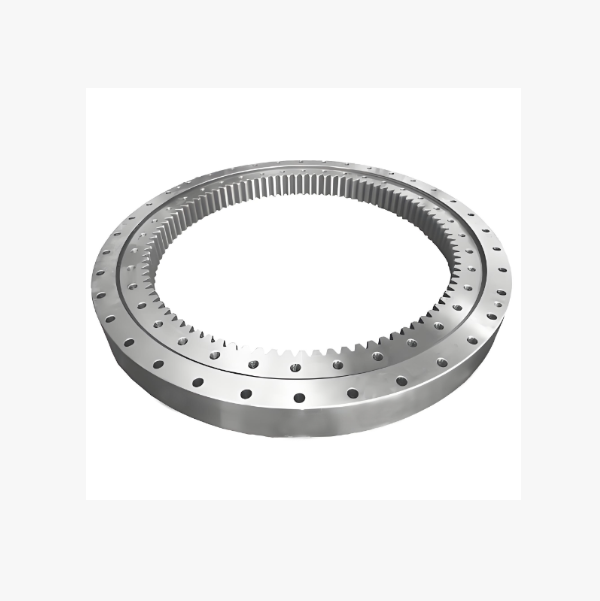
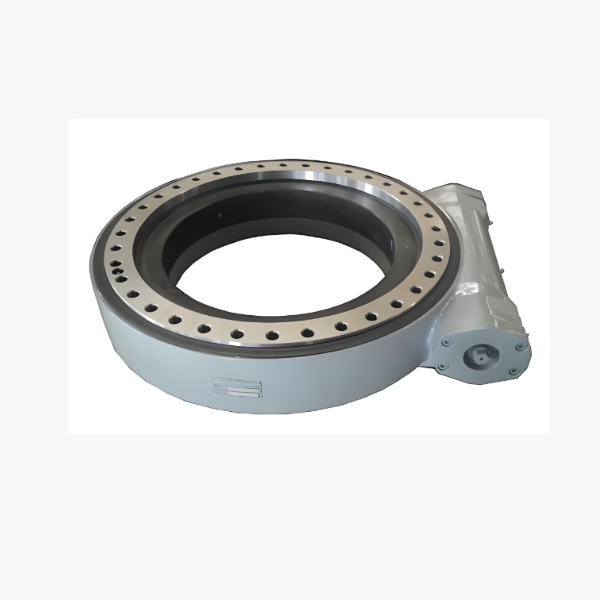
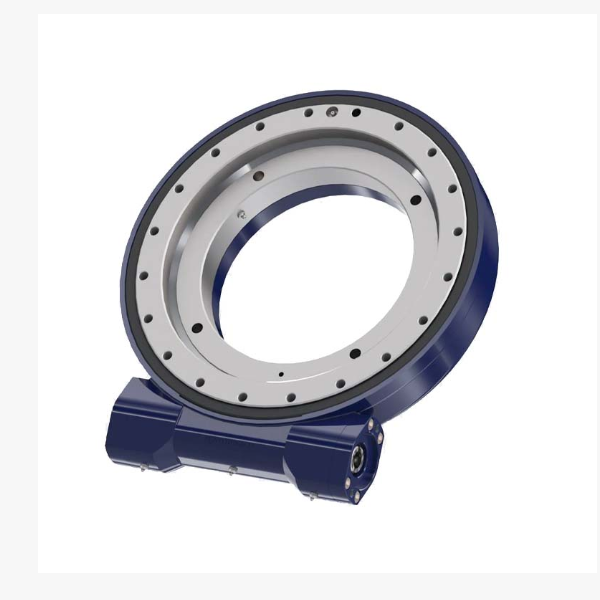
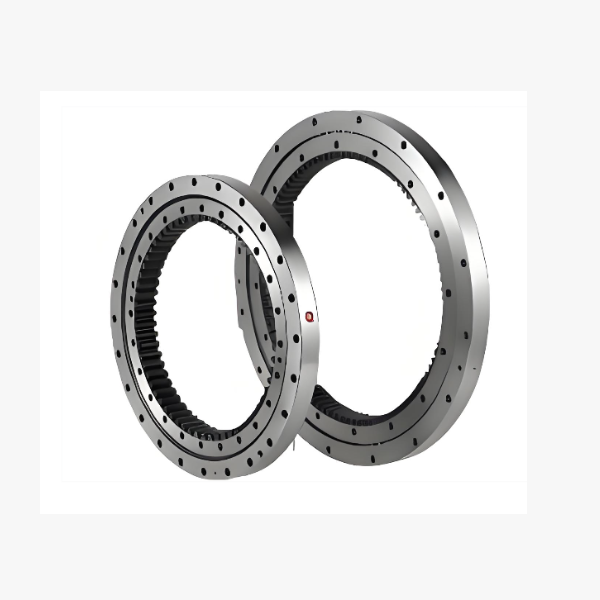
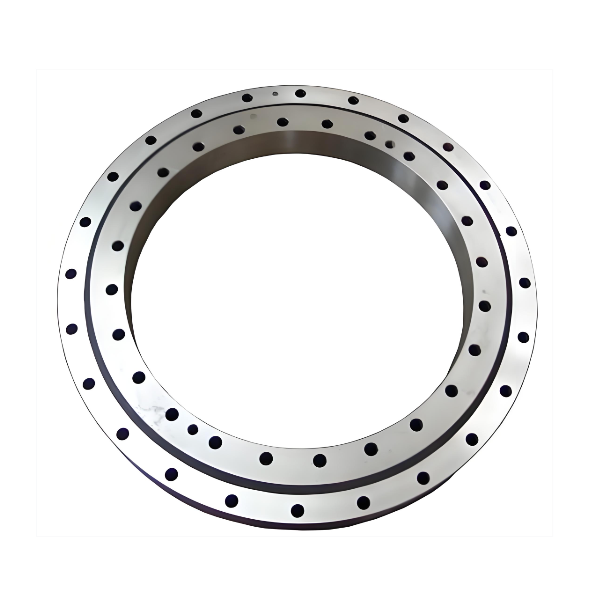
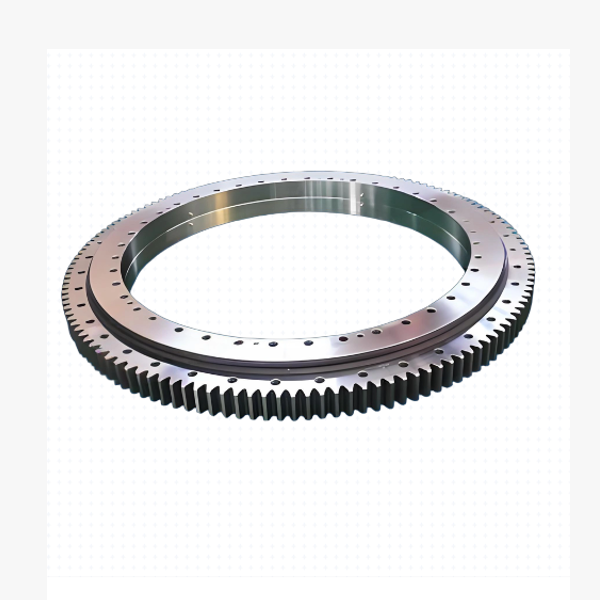
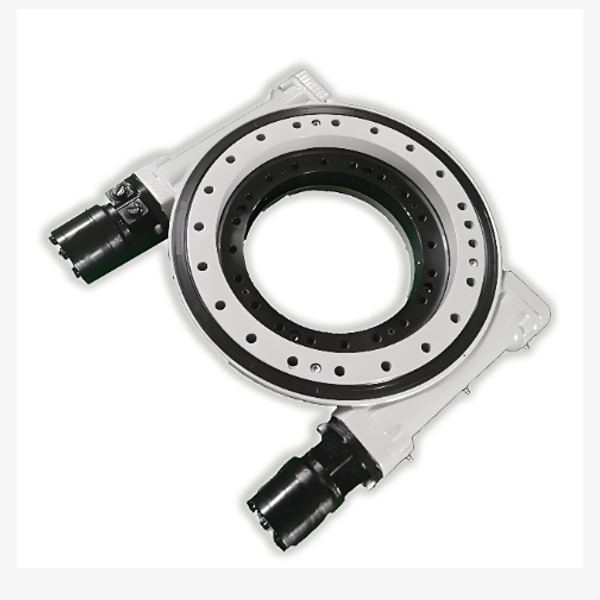
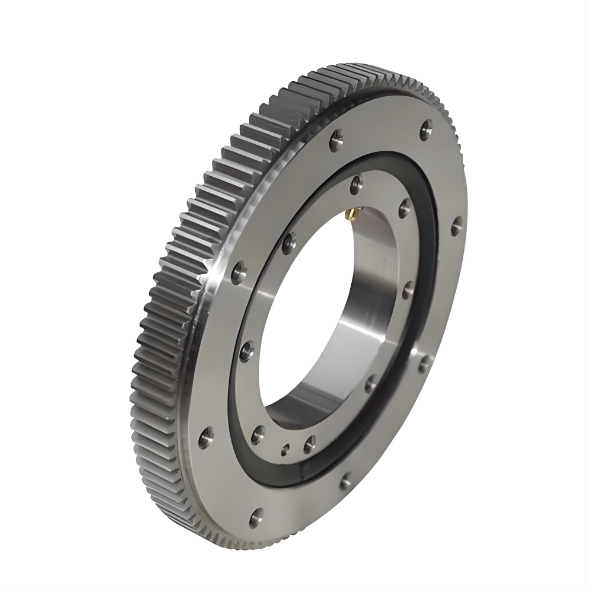
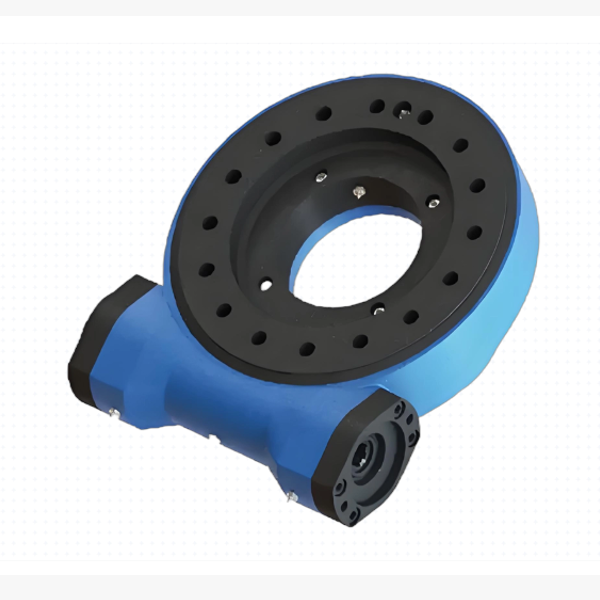
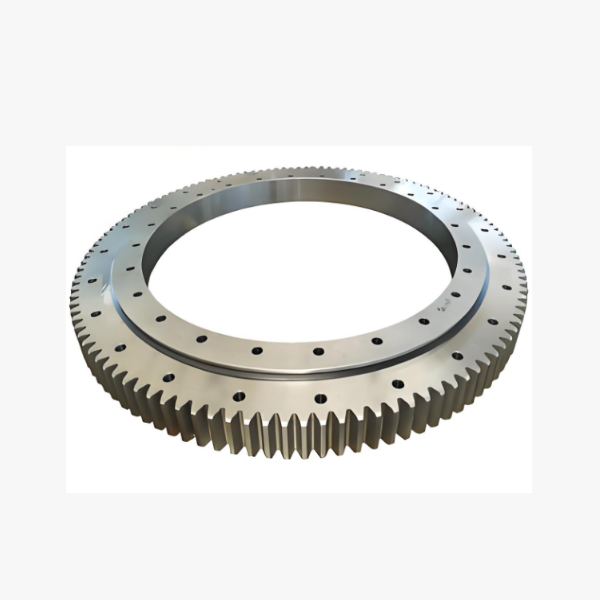
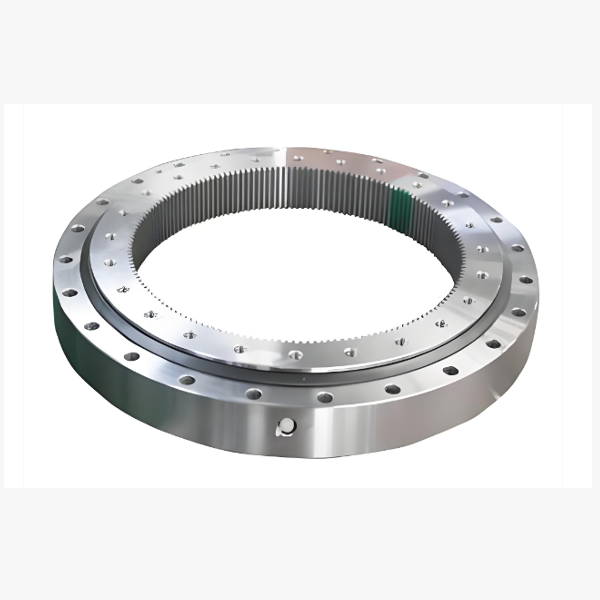
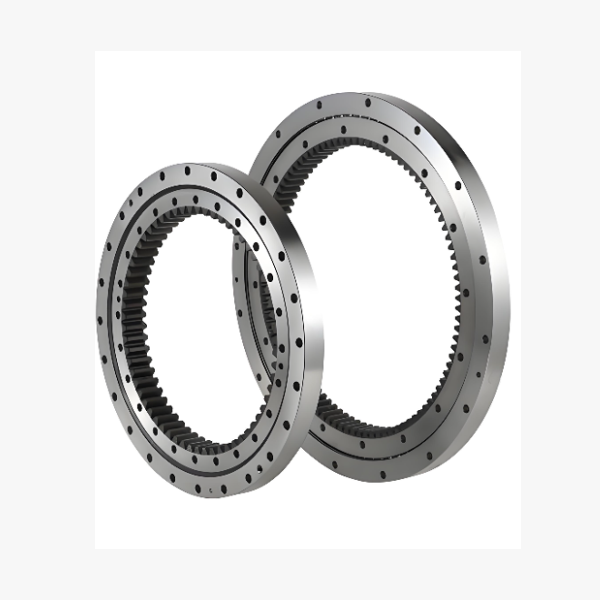
A hydraulic excavator slewing ring (also known as a swing bearing or turntable bearing) is a large-scale bearing capable of simultaneously supporting axial, radial, and tilting moment loads. Unlike standard bearings, our units are designed with integrated gearing (internal or external teeth) to interface directly with the excavator's hydraulic swing motor.
Our excavator slewing rings are manufactured using advanced metallurgy and precision machining to ensure smooth rotation and long service life, making them the preferred choice for heavy-duty construction and mining machinery.
Performance and Quality Features
We utilize a "Quality-First" manufacturing approach. Here is why ZZ slewing rings stand out in the market:
-
Superior Material Selection: We use high-grade alloy steel (such as 42CrMo or 50Mn) for the raceways and rolling elements. This ensures high hardness and deep hardening depth, providing excellent resistance against wear and deformation.
-
Advanced Heat Treatment: Our raceways undergo precise induction hardening. This process creates a hard surface layer for wear resistance while maintaining a tough core to absorb shock loads, significantly reducing the risk of spalling or cracking.
-
Robust Sealing System: Excavators often operate in mud, dust, and water. Our slewing rings feature multi-lip rubber seals (often with labyrinth designs) to prevent grease leakage and keep contaminants out, ensuring the longevity of the internal rolling elements.
-
High Load Capacity: Engineered to handle the complex dynamic loads of excavation work, our bearings offer high static and dynamic load ratings, ensuring stability even when the excavator arm is fully extended.
-
Precision Gearing: The gear teeth are hardened and ground (or precisely cut) to ensure smooth meshing with the pinion, reducing noise and vibration during the swing operation.
Technical Specifications
While we offer standard series, we specialize in custom engineering. Below are the general specifications for our hydraulic excavator slewing rings:
|
Specification Parameter
|
Details / Options
|
|
Product Type
|
Hydraulic Excavator Slewing Ring / Swing Bearing
|
|
Bearing Series
|
Single Row Four-Point Contact Ball, Double Row Ball, Crossed Roller
|
|
Material
|
42CrMo, 50Mn, C45, or Custom Alloy Steel
|
|
Gear Type
|
External Teeth, Internal Teeth, or Gearless
|
|
Rolling Element
|
Steel Balls or Cylindrical Rollers
|
|
Hardness (Raceway)
|
55-62 HRC (Induction Hardened)
|
|
Sealing Material
|
NBR (Nitrile Rubber) / Fluororubber (High Temp)
|
|
Lubrication
|
Grease Lubricated (with fittings/nipples included)
|
|
Accuracy Grade
|
P0, P6, P5 (or per DIN/ISO standards)
|
|
Surface Treatment
|
Zinc Plating, Black Oxide, or Phosphating
|
Certifications and Standards
Quality is not just a promise; it is a documented standard at ZZ. Our manufacturing processes and final products comply with rigorous international standards:
-
ISO 9001:2015: Certified Quality Management System.
-
DIN / ISO Standards: Manufactured in accordance with DIN 69 120 or ISO 281 for rolling bearings.
-
Material Certificates: Full EN 10204 3.1 Material Test Certificates (MTC) provided for raw steel.
-
Traceability: Complete heat numbers and batch tracking for all critical components.
Applications
While our primary focus is the hydraulic excavator, the robust design of our slewing rings makes them suitable for a wide range of heavy machinery:
-
Crawler Excavators: From mini excavators to large mining shovels (e.g., CAT, Komatsu, Hitachi, Volvo styles).
-
Wheel Excavators: Requiring high-speed rotation capabilities.
-
Draglines and Cranes: Where high moment loads are prevalent.
-
Drilling Rigs: Requiring high axial load capacity.
ZZ Service and Support
We don't just sell bearings; we provide rotary solutions.
-
OEM & ODM Services: We can manufacture replacements for major excavator brands or design custom units based on your drawings.
-
Fast Lead Time: Optimized production scheduling to minimize your downtime.
-
Technical Support: Our engineering team is available to assist with installation guidelines, clearance adjustments, and failure analysis.
-
Warranty: Comprehensive warranty coverage against manufacturing defects.
Frequently Asked Questions (FAQ)
Q1: What is the difference between a ball type and a roller type slewing ring for an excavator?
A: Generally, ball type (four-point contact) slewing rings are lighter and allow for higher rotational speeds, making them common in standard excavators. Roller type (crossed roller or three-row roller) bearings offer higher load capacity and rigidity, making them suitable for larger, heavy-duty mining excavators.
Q2: Can you supply a slewing ring with the exact gear teeth count of my old bearing?
A: Yes. As a manufacturer, we can customize the module, number of teeth, and pressure angle to match your specific excavator model perfectly. Please provide the drawing or the sample gear measurements.
Q3: How do I maintain the slewing ring to ensure a long lifespan?
A: Regular lubrication is key. Grease the bearing every 100 working hours (or per OEM manual). Also, inspect the seals regularly for damage and check the mounting bolts for tightness to prevent loosening due to vibration.
Q4: Do you offer bolt kits for installation?
A: Yes, we can supply high-strength mounting bolts (Grade 10.9 or 12.9) specifically designed for slewing ring installation to ensure safety and reliability.
Q5: What is your minimum order quantity (MOQ)?
A: For standard models, our MOQ is typically one unit. For custom-designed bearings, we can discuss specific requirements based on the project scope.