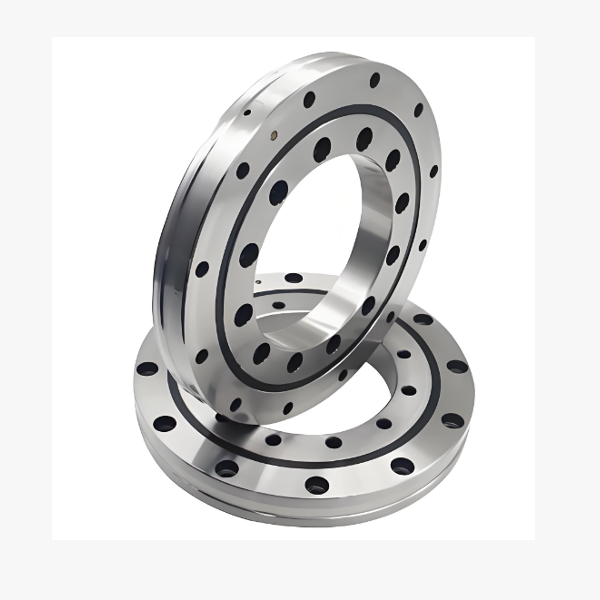
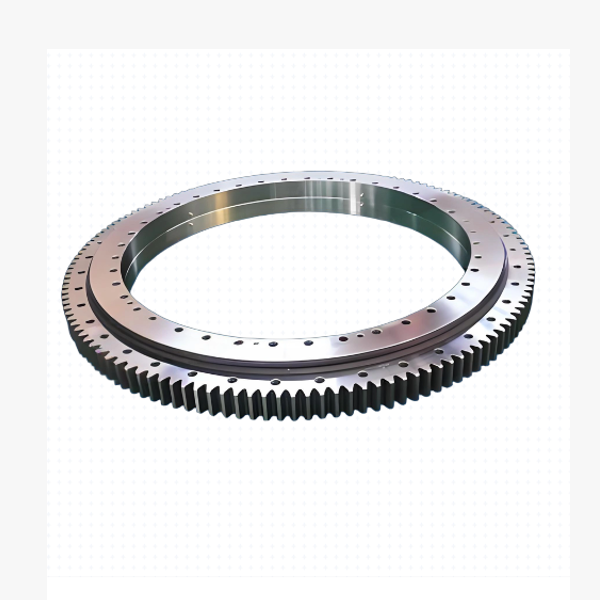
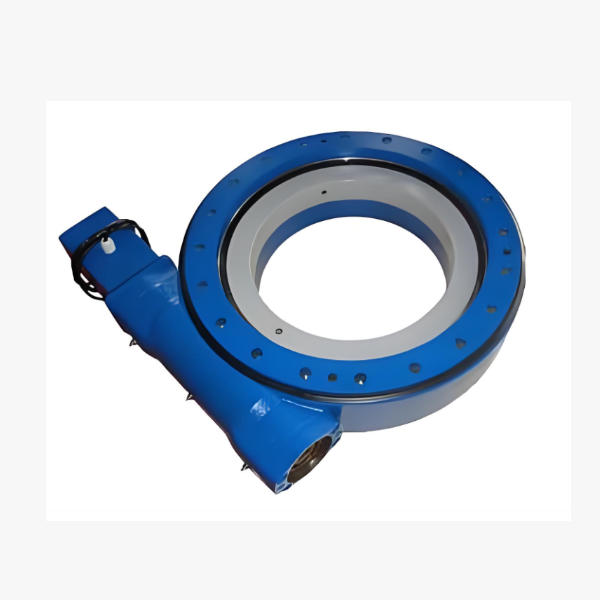
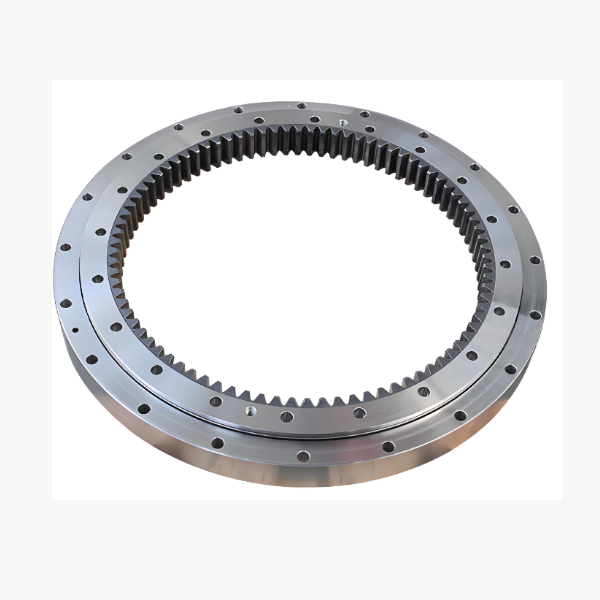
Wind Power Main Bearing: Engineered for Extreme Conditions and Maximum Uptime
Introduction
In the demanding world of wind energy, the reliability of a turbine hinges on a single, critical component: the main shaft bearing. As a professional slewing bearing manufacturer, we understand that downtime in a wind farm—especially an offshore installation—is not just an operational issue; it is a significant financial liability. Our Wind Power Main Bearings are not off-the-shelf commodities; they are precision-engineered solutions designed to withstand the brutal combination of heavy variable loads, low-speed oscillation, and harsh environmental factors like salt spray and extreme temperature fluctuations.
We recognize that the modern wind turbine is pushing the boundaries of physics, with larger rotor diameters and higher hub heights. Consequently, the main bearing must absorb immense axial, radial, and moment loads while maintaining precise alignment. Our engineering team utilizes advanced simulation software to optimize the internal geometry of our bearings, ensuring optimal load distribution across the rolling elements. Whether for a geared, direct-drive, or semi-direct drive turbine, our bearings serve as the robust heart of the drivetrain, facilitating the efficient transfer of kinetic energy into electrical power.
Product Performance and Quality
The longevity of a wind turbine is typically rated for 20 to 25 years, and our bearings are built to match or exceed this lifecycle. Quality begins with material selection. We utilize high-purity vacuum-degassed bearing steel, such as 20Cr2Ni4A carburizing steel, which offers superior resistance to fatigue and wear. Through advanced gradient hardening processes, we achieve a "hard surface, tough core" structure. The surface hardness reaches 60-62 HRC to resist wear, while the core remains ductile enough to absorb shock loads without fracturing.
Lubrication is often the failure point in low-speed, high-load applications. Our main bearings feature optimized lubrication grooves and are compatible with high-performance synthetic greases. We address the challenge of boundary lubrication—common in start-up and shutdown phases—by employing super-finished raceway surfaces that promote oil film formation even at low rotational speeds. Furthermore, for offshore applications, we integrate specialized sealing solutions, often combining labyrinth and lip seals to achieve IP6K9K protection ratings, effectively barring moisture and contaminants from entering the critical rolling contact area.
Technical Specifications
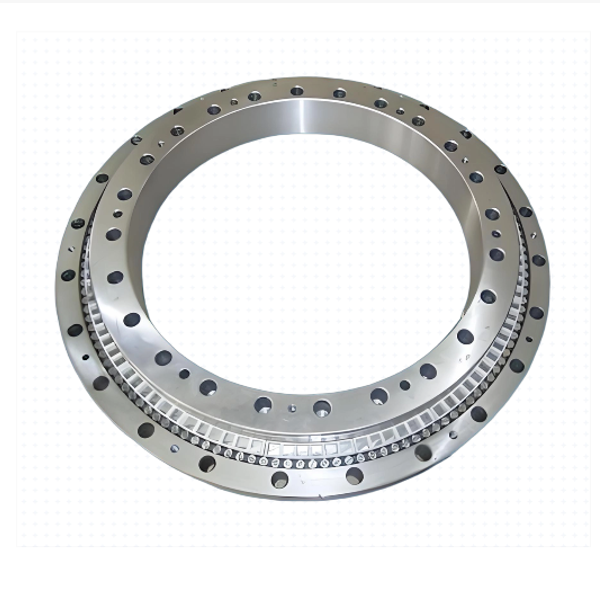
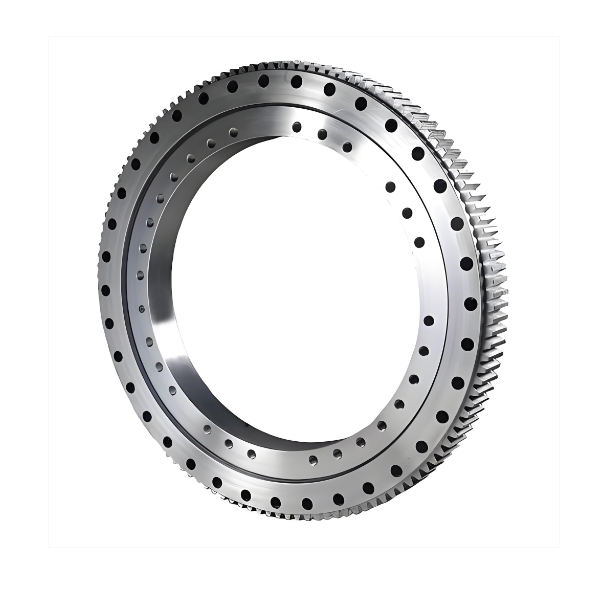
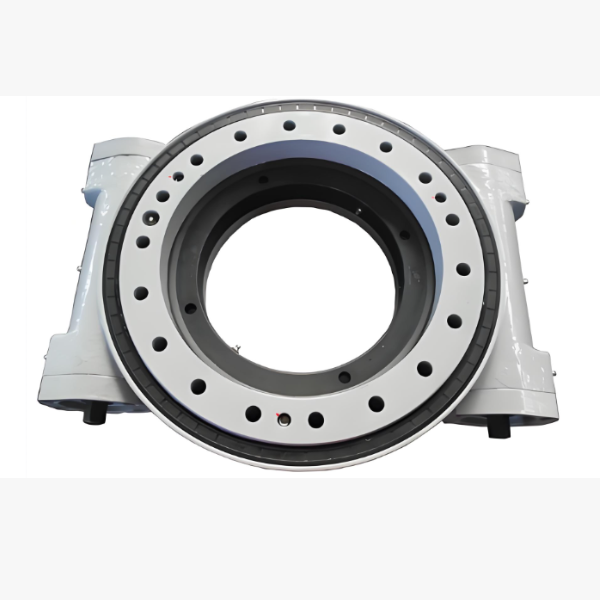
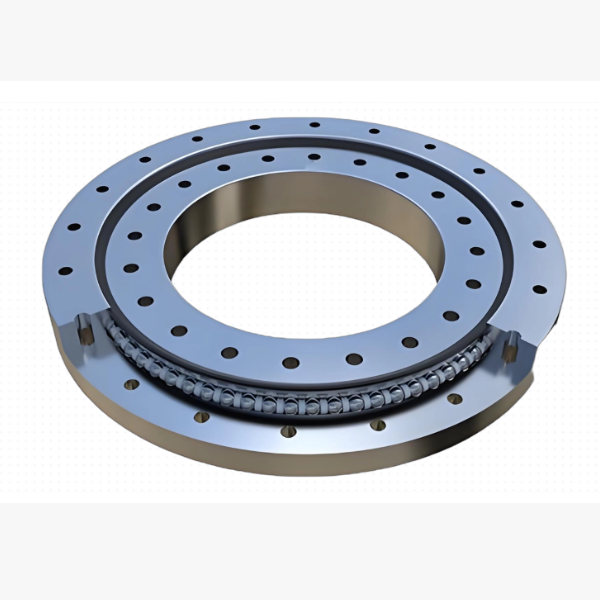
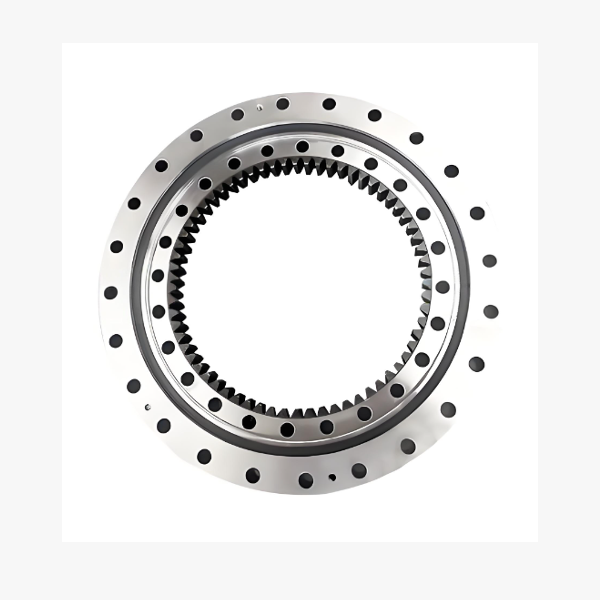
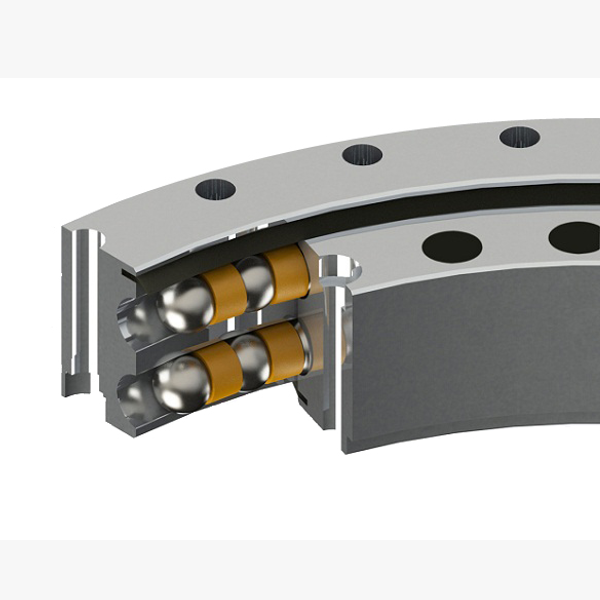
Our manufacturing capabilities cover a wide spectrum of bearing types required for modern wind turbines, including Double Row Spherical Roller Bearings, Tapered Roller Bearings (TRB), and Three-Row Cylindrical Roller Slewing Bearings for the largest direct-drive units. We offer both standard and customized dimensions to fit specific spindle designs.
|
Parameter
|
Specification / Capability
|
|
Bearing Types
|
Spherical Roller, Tapered Roller, Cylindrical Roller, Three-Row Roller
|
|
Bore Diameter
|
400 mm – 3500 mm (Customizable for Multi-MW Turbines)
|
|
Accuracy Class
|
P5, P4, and SP (Special Precision)
|
|
Material
|
Case Carburizing Steel (e.g., 20Cr2Ni4A), High Carbon Chromium Steel
|
|
Cage Material
|
Machined Brass, Steel, or Cast Iron (Roller Guided)
|
|
Clearance
|
C3, C4, or Customized for Specific Thermal Expansion
|
|
Sealing
|
Non-contact, Contact, or Hybrid Seals with Corrosion Protection
|
|
Surface Treatment
|
Black Oxide, Zinc-Nickel Plating, or DLC Coating for Corrosion Resistance
|
Certifications and Standards
Trust in the wind energy sector is built on verification and adherence to rigorous international standards. Our manufacturing facilities operate under a strict quality management system. We understand that every batch of steel and every finished bearing must be traceable.
-
ISO 9001:2015: Certified Quality Management System ensuring consistent production processes.
-
ISO 14001: Environmental management standards, reflecting our commitment to sustainable manufacturing.
-
Material Traceability: Full EN 10204 3.1/3.2 material certificates provided for all raw steel inputs.
-
Testing Standards: Products are tested in accordance with ISO 15243 (Rolling bearings - Damage and failures) and ISO 281 (Life rating calculations).
Product Services
We view ourselves as a partner rather than just a supplier. Our service model is designed to support you from the design phase through the operational life of the turbine.
-
Custom Design & Simulation: Our engineering team uses Finite Element Analysis (FEA) to model load cases specific to your turbine design, optimizing the bearing's contact angle and roller profile to minimize stress concentrations.
-
Digital Twin Integration: We support the integration of smart sensors into our bearings, allowing for real-time monitoring of vibration and temperature. This facilitates predictive maintenance strategies, helping operators detect early signs of fatigue or lubrication failure.
-
Technical Support: We provide comprehensive installation manuals and on-site technical guidance to ensure correct mounting and alignment, which are critical for bearing longevity.
Product Applications
Our bearings are versatile and robust, suitable for various configurations within the wind energy sector:
-
Onshore Wind Turbines: Designed to handle the dust, temperature extremes, and variable grid conditions typical of land-based farms.
-
Offshore Wind Turbines: Engineered with enhanced corrosion resistance and specialized sealing to withstand the highly corrosive marine environment and massive wave-induced loads.
-
Direct-Drive Systems: Our large-diameter Three-Row Cylindrical Roller Bearings are specifically optimized for direct-drive generators, eliminating the need for a gearbox and reducing maintenance points.
-
Geared Turbines: High-precision Tapered Roller Bearings for main shafts connected to gearboxes, ensuring precise shaft alignment and torque transmission.
FAQ
Q1: How do you handle the issue of electrical erosion (white etching cracks) in wind turbine bearings?
A: Electrical erosion is a common challenge in variable speed turbines. We mitigate this by offering bearings with specialized surface coatings, such as Amorphous Carbon (DLC) or Black Oxide treatments. These coatings provide an insulating layer that prevents current passage through the rolling elements, significantly extending the bearing's service life.
Q2: What is the typical lead time for a customized main shaft bearing?
A: Lead times vary based on the size and complexity of the bearing. For standard large-scale bearings, the production cycle typically ranges from 12 to 20 weeks. This includes time for forging, heat treatment, precision grinding, and final quality inspection. We prioritize transparent communication regarding production schedules to align with your project timelines.
Q3: Can your bearings accommodate misalignment?
A: Yes. Depending on the design requirements, we utilize Spherical Roller Bearings which have self-aligning capabilities to compensate for shaft deflection and housing errors. For Tapered Roller Bearing arrangements, we perform precise internal clearance adjustments to ensure optimal load distribution while accommodating minor misalignments during installation.
Q4: Do you provide lubrication solutions for these bearings?
A: Absolutely. We understand that lubrication is critical for low-speed, high-load applications. We can pre-fill bearings with high-performance synthetic grease suitable for the specific operating temperature range of your wind farm. Additionally, our designs include optimized lubrication channels to ensure grease reaches all critical contact points during re-lubrication intervals.